
Bird Banding
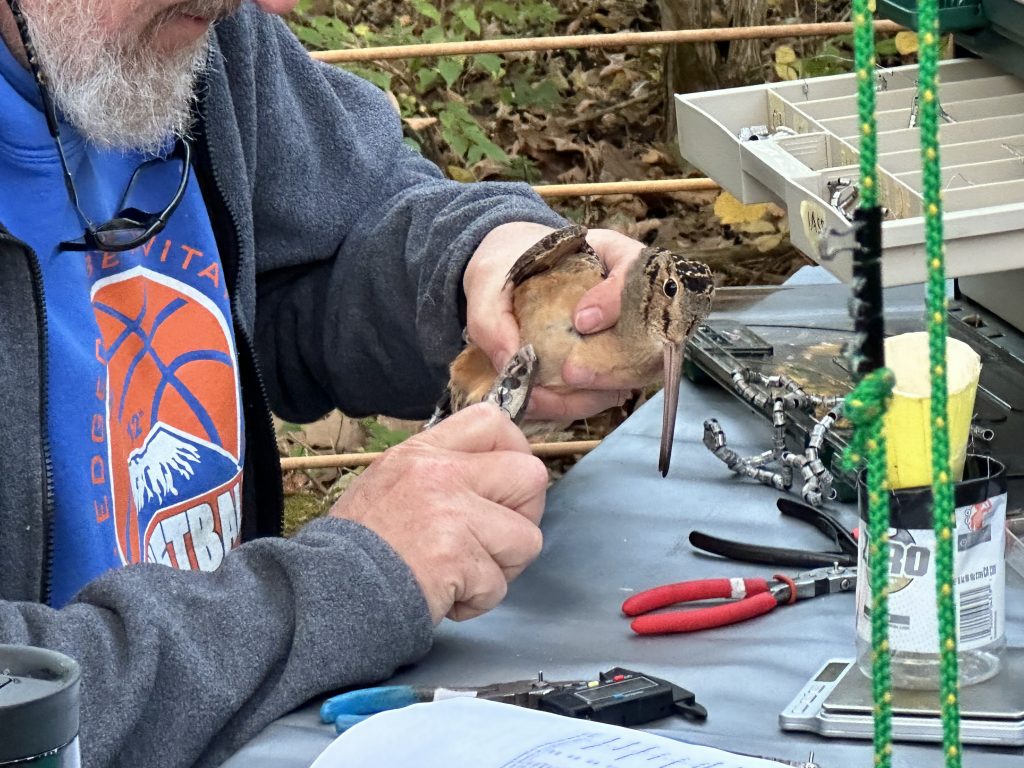
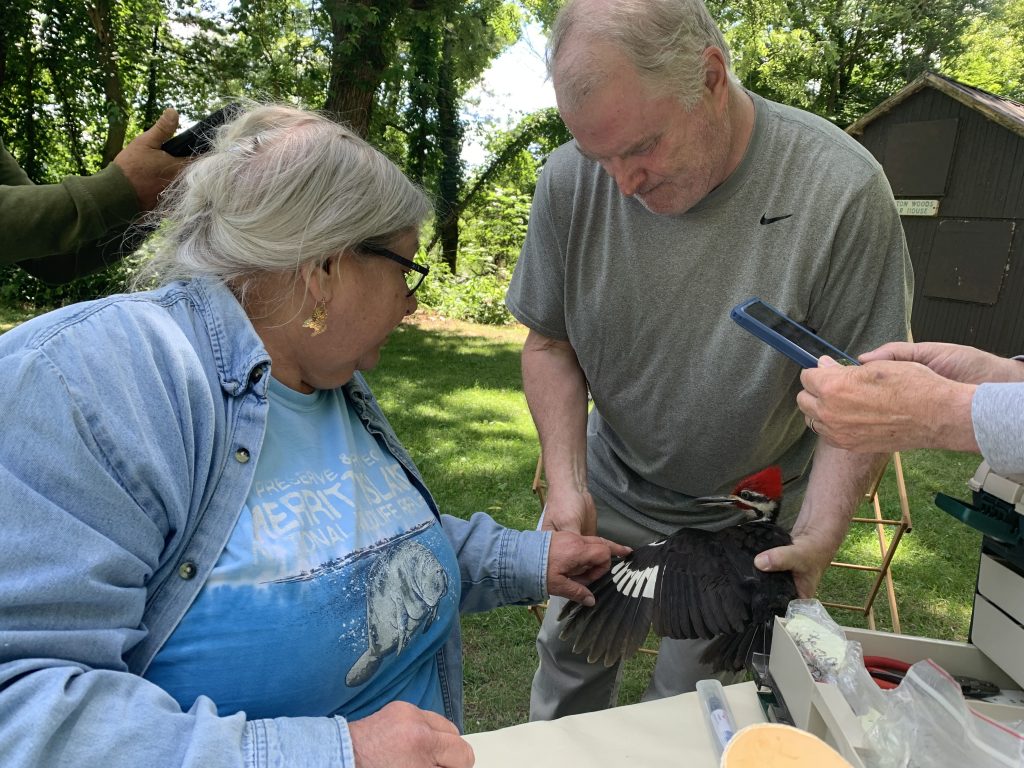
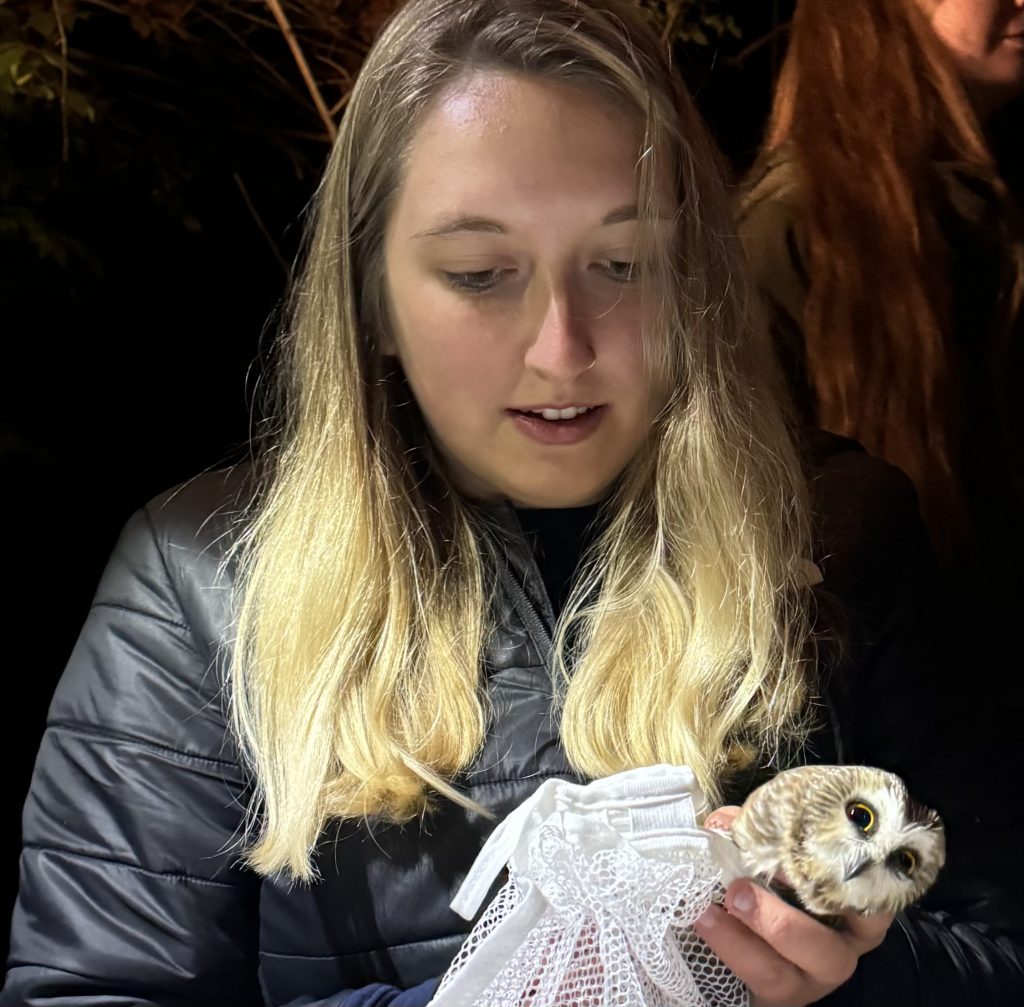
At AREI, we use bird banding as a core part of our research to study the movement, survival, and health of native bird populations. Each bird we band receives a uniquely numbered aluminum band issued by the U.S. Geological Survey, serving as a permanent ID for mark and recapture studies. When a bird is recaptured or resighted, that data helps us track long-term trends in migration and population changes. All our work is conducted under federal permits to ensure ethical and standardized methods. Through this process, we gain the insights needed to protect birds before they become at risk. ADD MAPS AND PROJECT OWLNET

Photographic Bander’s Manual
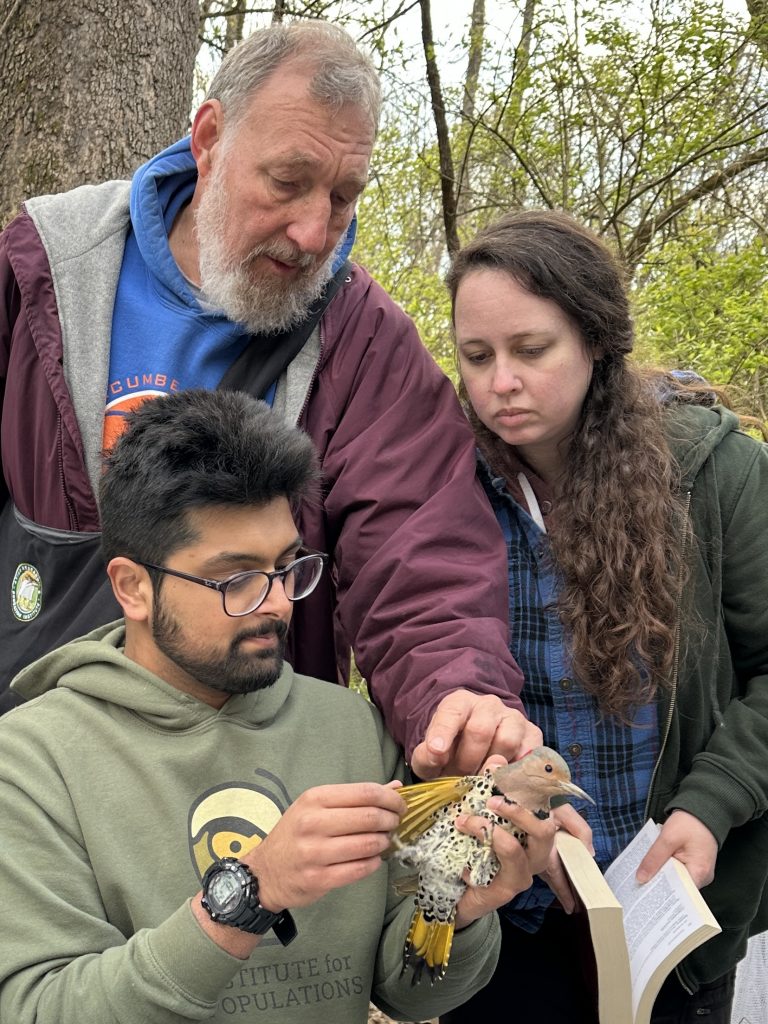
One of AREI’s ongoing projects is the creation of a photographic bird banding guide focused on native species of southwestern Ohio. This resource compiles standardized images of birds in hand, emphasizing key features used to determine age and sex—such as molt limits, plumage wear, and feather shape. Designed as both a training tool and field reference, the guide supports more accurate data collection and consistent identification among researchers, students, and volunteers. By highlighting local species, this project strengthens our regional monitoring efforts and contributes to ongoing research and educational initiatives, providing a foundation for both scientific study and public engagement.
MOTUS Program
Pesticide Use and Avian Ecology
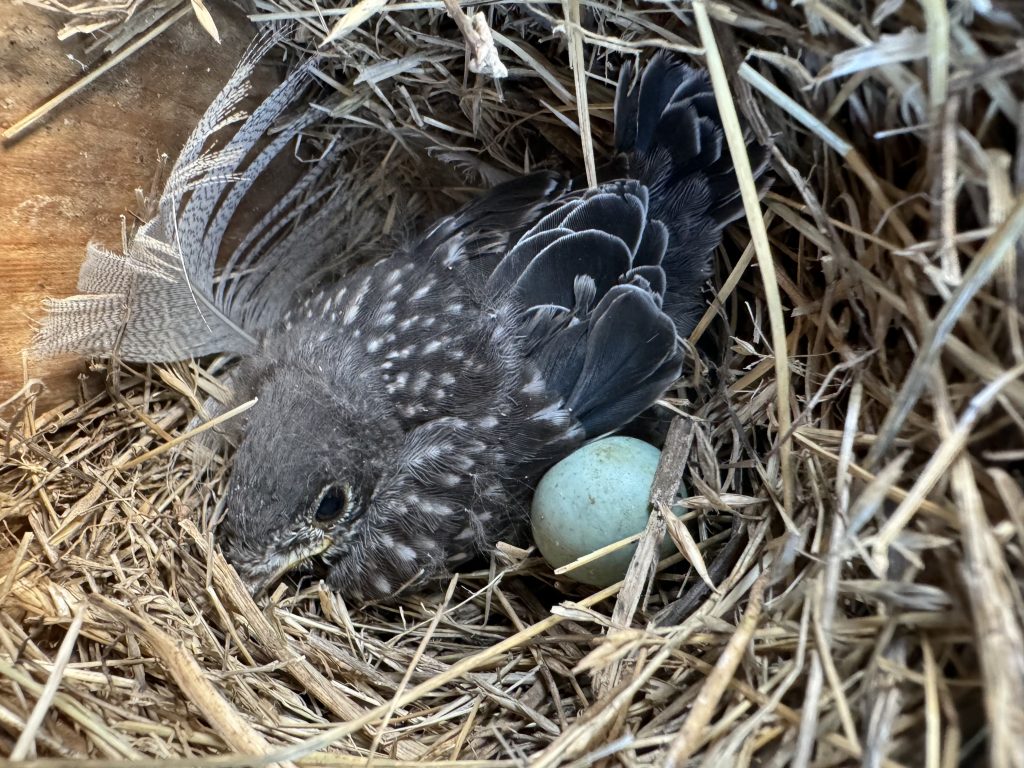
At AREI, we are investigating the impact of neonicotinoid pesticides—widely used agricultural chemicals—on bird populations in southwestern Ohio. These pesticides, often present in treated seeds and runoff, have been linked to direct and indirect effects on birds, including reduced reproduction, neurological impairment, and declines in insect prey abundance. Our research focuses on how these chemicals affect common farmland and edge-dwelling species, especially during breeding and migration. By combining field observations, population monitoring, and collaborative data analysis, we aim to better understand the ecological consequences of neonicotinoids and inform land management practices that prioritize both agricultural productivity and bird conservation.
Avian Blood Parasite
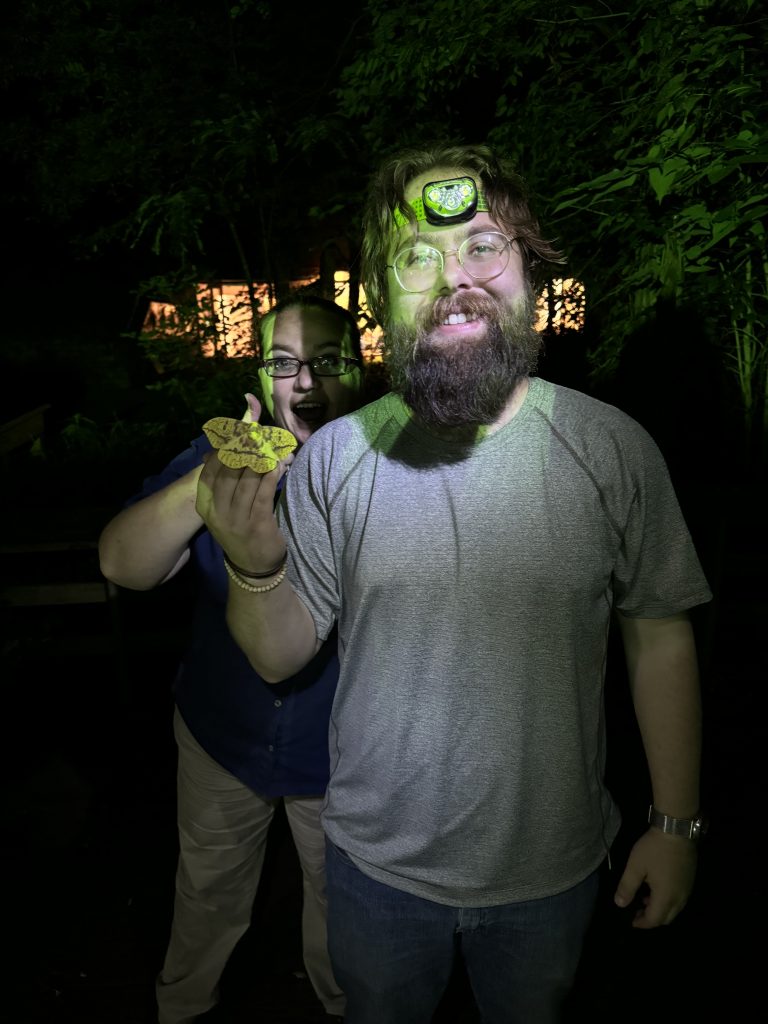
Insect Diversity and Migratory Stop-over Success
AREI’s research explores how declining moth populations impact the energetics of migratory birds at critical stopover sites in southwestern Ohio. Many migratory species, especially thrushes and warblers, rely on moths and other nocturnal insects as high-protein food sources during their long journeys. As moth abundance declines due to habitat loss, pesticide use, and light pollution, birds may face reduced foraging success, leading to delayed migration or compromised body condition. By studying the intersection of invertebrate ecology and avian physiology, we aim to understand how changing insect dynamics influence bird health and behavior, and to advocate for habitat management that supports both.
Beetle and Moth Surveys
Pollinator Surveys
Plant and Box Turtle Surveys
Avian Acoustic Monitoring
Bat Acoustic Monitoring
Watch our world renown documentary!

Click on the video below to view the documentary by filmmaker D. Andy Rice that explores the activities of the Avian Research and Education Institute and how a bird banding community was formed. Enter password “warbler”.